


Latest Updates

Agriculture Inputs, Demand and Supply NITI Aayog "(4.51 MB PDF, English)
Welcome to ICAR-NIAP
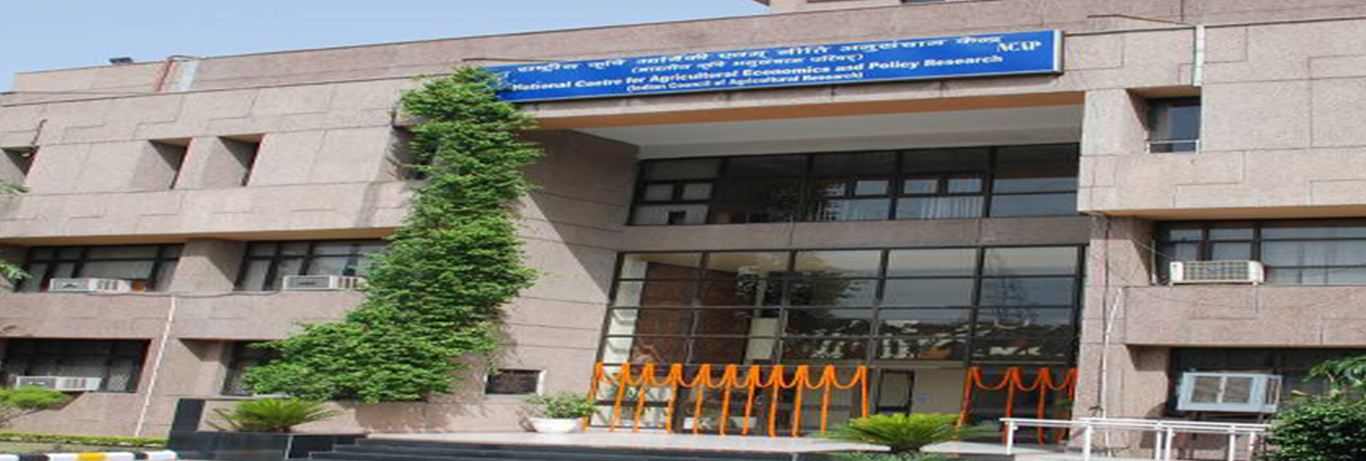
ICAR-National Institute (Formerly Centre) of Agricultural Economics and Policy Research (NIAP) was established by the Indian Council of Agricultural Research (ICAR) in March 1991 to strengthen agricultural economics and policy research in the National Agricultural Research System.
Read More about usResearch Highlights
From Research to Impact Payoffs to Investment in Agricultural Research and Extension in India
Agricultural research, innovations, knowledge, and information are crucial for addressing the current and future challenges to the agri-food system transformation, especially in countries like India that face acute resource constraints of land, water, and energy, and are highly exposed to climate risks. (document size- 7.22 MB, PDF, English)
Read MoreOur Vision
Leveraging Innovations for Attaining Efficient, Inclusive and Eco-friendly Agricultural Growth through Agricultural Economics and Policy Research
Our Mission
To strengthen agricultural economics research for providing economically viable, socially-acceptable and environmentally-feasible policy options for science-led agricultural growth
 Honours and Awards
-
NAAS Fellows
Dr. Pratap Singh Birthal - Fellow, Elected 2010
Dr. Suresh Pal - Fellow, Elected 2009
-
NAAS Recognition Award
Dr. Pratap Singh Birthal (2015)
-
Rafi Ahmed Kidwai Award
Dr Suresh Pal (2020)
Prof. Pratap Singh Birthal (2016)
Prof. Ramesh Chand (2010) -
ICAR-National Professor M.S. Swaminathan Chair .
Prof. Smita Sirohi (2025 onwards) (175 KB, PDF, English)
Prof. Pratap Singh Birthal (2017-2022)
Prof. Ramesh Chand (2006-2010)
Prof. Dayanath Jha (2000-2005) (Opens a PDF document in a new tab) -
Fellow of Indian Society of Agricultural Economics
Prof. Ramesh Chand (2013)
Dr. Suresh Pal (2017)
Dr. Pratap Singh Birthal (2017) - View All


Significant Achievements
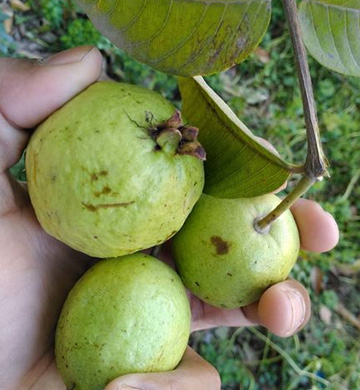
Diversification and Poverty
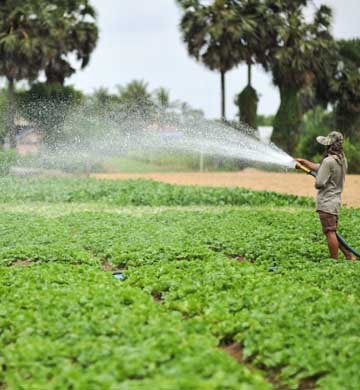
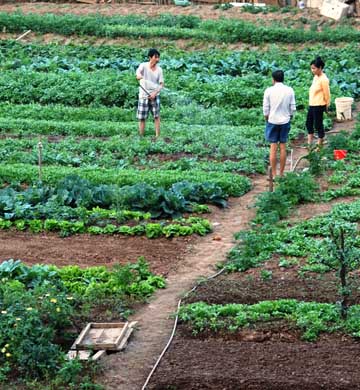
Diversification of agriculture towards high-value enterprises such as horticulture and animal husbandry that generate higher returns matches with resource endowments and income requirements of smallholder farmers who allocate larger area to highvalue crops, and are also more efficient in then production compared to lamer farmers. The incidence of poverty is less among those engaged in these enterprises the biggest impact being on marginal and small farmers...
Food Demand
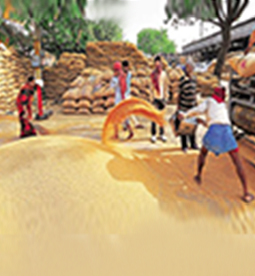
By 2050 availability of resources for agriculture will increase but at a slower rate as compared to the growth in food demand. This underlines importance of improving resource use efficiency and technological breakthroughs. In order to strike a balance between the future demand and supply of agricultural products, the Institute has suggested to target a) significant increase in land productivity, b) twofold increase in water productivity, c) doubling energy use efficiency, and d) five times increase in labour productivity by 2050.
Trade
In order to benefit from globalisation, emphasis on food safety measures and compliance with various SPS measures are essential. This is essential to harness the untapped potential of dairy product exports to developed countries like USA, EU and Japan. ...
Reforming Markets
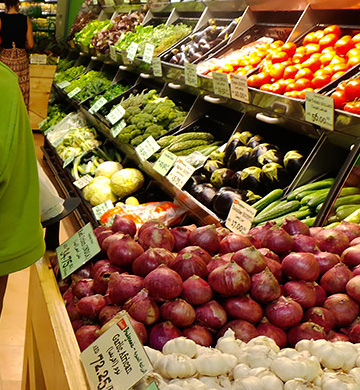
Price policy and market reforms should (i) enhance competition in the marketplace by linking farmers to markets through institutional innovations such as contract farming and producer associations; (ii) promote investment in public infrastructure (roads electricity, and communication) that reduces transportation and transaction costs...
Livestock Policy
Livestock sector despite its considerable potential to enhance and sustain agricultural growth has remained underinvested and neglected by financial institutions (credit and insurance) and support services...
Land Reforms
Tenancy laws of various states should be suitably amended keeping in view the region specific needs. As far as possible, leasing-in of land only by small and marginal farmers should be allowed, while large farmers should be encouraged to take up non-farm enterprises...